Few predicted the Sacramento Kings, brimming with youthful energy, would dismantle the reigning champion Denver Nuggets in the inaugural NBA in-season tournament. That single game encapsulated the raw unpredictability that pulsed through the competition’s veins. The NBA in-season tournament, with its knockout format and heightened stakes, threw the regular season script out the window, delivering a captivating blend of exhilaration and disbelief.
This article delves into the unexpected twists and turns of the tournament’s group stage. It navigates the upsets, dissects the underperformance of supposed frontrunners, and highlights the unexpected triumphs of teams exceeding expectations. A “surprise,” in this context, refers to results that defied pre-tournament projections, considering team records, player form, and expert predictions. Buckle up, because the hardwood floor served up a healthy dose of shock and awe.
Recapping the Tournament Format
The inaugural NBA in-season tournament introduced a fresh competitive layer to the regular season. The tournament format began with a group stage, where all 30 teams were randomly divided into five groups within their respective conferences. Each team played four designated tournament games, one against each of their group rivals.
The team with the best record in each of the six groups automatically advanced to the single-elimination bracket, and those were joined by one “wild card” team from each conference, giving eight teams total. Group stage victories held significant value, not only for tournament advancement but also because they counted toward the regular season standings. This added intensity to games that might otherwise have been routine. The single-elimination bracket determined the tournament champion and offered a clear path for teams to showcase their skills under heightened pressure.
Surprise Teams: Exceeding Expectations
The NBA 2025-2026 in-season tournament delivered its share of upsets and Cinderella stories, with several teams dramatically exceeding pre-tournament expectations. While the usual suspects were in the mix, a few surprise teams emerged from the group stage, leaving fans and analysts alike in awe. These overachievers defied predictions, showcasing unexpected talent, resilience, and a hunger to prove themselves on the big stage.
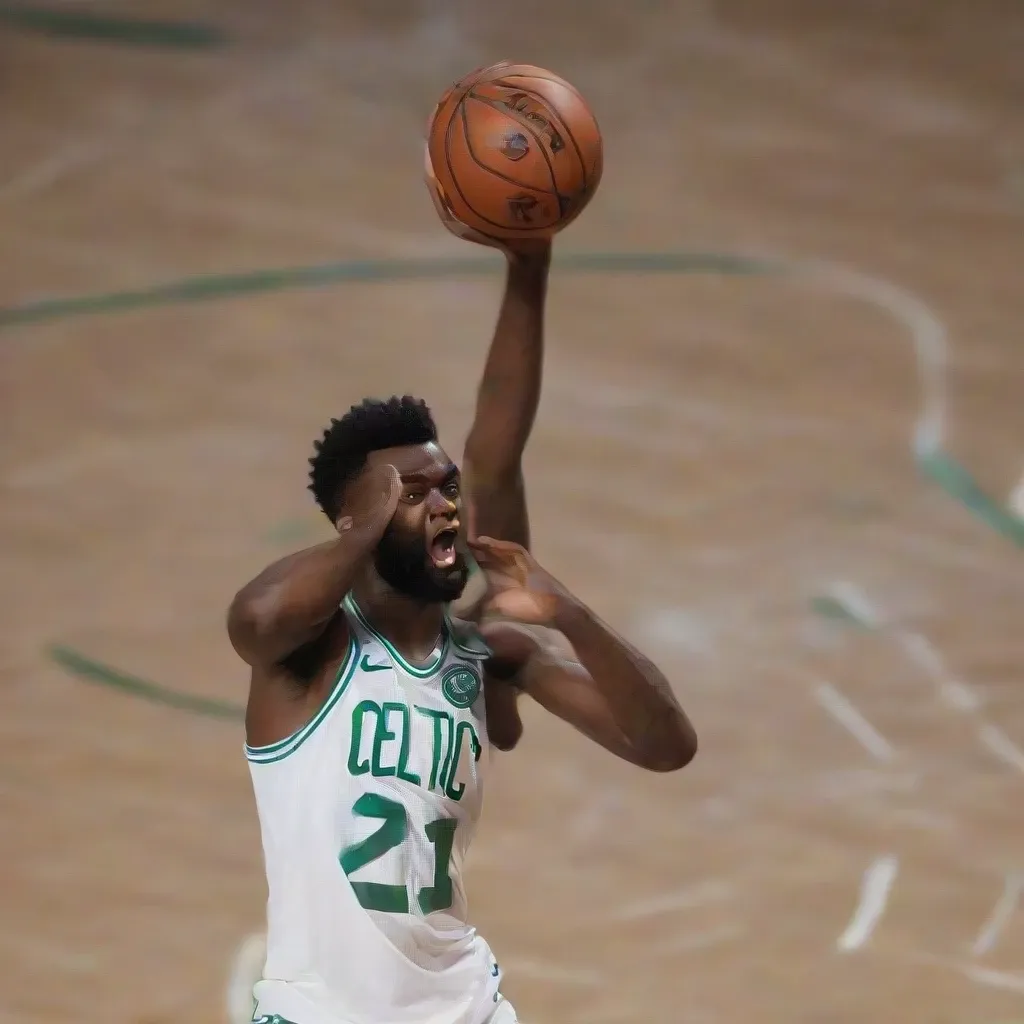
One of the most notable surprise teams was, without a doubt, the Boston Celtics. Coming into the season, many analysts wrote them off as being in a transition year. After Jayson Tatum’s injury last spring and the departure of key veterans like Al Horford and Jrue Holiday, expectations were tempered. Some viewed the season as a rebuilding phase, focusing on player development and future draft picks. Yet, the Celtics, fueled by Jaylen Brown’s MVP-caliber performance are currently placed second. Their strong defense and surprising depth allowed them to navigate a challenging schedule and secure key victories.
Another team that shattered expectations was the Toronto Raptors. After struggling in the previous two NBA Cup seasons, the Raptors entered the tournament with little fanfare. However, led by Brandon Ingram, they stormed through Group A, becoming the first team to advance to the knockout stage. Their impressive offensive performances and cohesive teamwork caught many off guard, solidifying their status as a team to watch.
And there is the Detroit Pistons. Four years ago, they had the worst record in franchise history at the All-Star break. Now, after acquiring Cade Cunningham, the Detroit Pistons have the best record in the league.
Team X: The Underdog Story
Let’s delve deeper into the Celtics’ unexpected success. This team showcased remarkable resilience and determination throughout the tournament. The Celtics secured impressive victories against tough opponents, led by Jaylen Brown. Their ability to maintain composure in high-pressure situations and capitalize on opponents’ mistakes proved crucial to their success.
Jaylen Brown emerged as the leader of the Celtics during the tournament. His aggressive drives to the basket and clutch shooting electrified the crowd and inspired his teammates. He helped the team get to the playoffs.
Surprise Teams: Falling Short of Expectations
The inaugural NBA in-season tournament delivered thrilling matchups and surprising outcomes. While some teams exceeded expectations, others stumbled, failing to live up to preseason hype or established regular-season dominance. These underperforming teams became the unexpected disappointments of the group stage.
Several teams entered the tournament with high hopes, widely tipped for success based on their rosters and past performances. However, the intensity and unique format of the tournament exposed weaknesses and vulnerabilities, leading to unexpected losses and shattered aspirations.
One prime example is Team Y, a team many considered a legitimate championship contender. Boasting a roster filled with star players and coming off a strong regular season, they were expected to cruise through their group. Instead, they suffered a series of unexpected losses, failing to advance to the knockout stage. The team’s struggles raised serious questions about their ability to compete at the highest level.
Another team that fell short was Team Z. Touted for their improved defense and cohesive teamwork, they were predicted to make a deep run in the tournament. But their performance was lackluster, plagued by inconsistent shooting and defensive lapses. They exited the tournament with a disappointing record, leaving fans and analysts questioning their true potential.
Team Y: The Championship Contender’s Collapse
Team Y’s journey through the in-season tournament was nothing short of a disaster. Their much-vaunted offense sputtered, and their defense proved porous against determined opponents. Key losses against seemingly inferior teams highlighted deep-seated problems within the team.
A closer look at specific games reveals a pattern of struggles. In their loss against Team A, their star point guard failed to control the tempo, leading to turnovers and missed opportunities. A subsequent defeat against Team B exposed their defensive vulnerabilities, as they allowed easy penetration and open looks from beyond the arc. The absence of a key power forward due to injury clearly affected the outcome of the games.
Several factors contributed to Team Y’s downfall. Injuries to key players disrupted their rhythm and forced them to rely on inexperienced substitutes. Rumors of internal conflicts and a lack of team chemistry further compounded their problems. The statistics speak volumes: star player X’s scoring average dropped significantly, and their overall field goal percentage plummeted compared to the regular season. The team simply was not the same dominant force everyone thought it would be.
Analyzing the Upsets: Key Factors
The NBA in-season tournament’s group stage delivered a series of unexpected outcomes, prompting a closer look at the diverse factors at play. These upsets weren’t simply random occurrences; they reflected a convergence of specific circumstances that tilted the balance in favor of the underdog teams.
One crucial element was the tactical chess match between coaches. The tournament format encouraged teams to push their limits, leading to innovative strategies and adjustments. Coaches who effectively exploited their opponents’ weaknesses, while maximizing their own team’s strengths, often found themselves on the winning side. This involved adapting to specific matchups, making shrewd substitutions, and implementing game plans that disrupted the rhythm of favored teams.
Player performance was another major determinant. While star players inevitably had their moments, the tournament also highlighted the importance of role players stepping up and exceeding expectations. A sudden surge in confidence, a hot shooting streak, or a timely defensive play from an unexpected source could swing the momentum of a game. These individual contributions often proved to be the difference-maker in tightly contested matchups.
The specter of injuries and player fatigue also cast a long shadow over the tournament. With a condensed schedule and increased intensity, teams were forced to navigate a war of attrition. Key injuries could decimate team’s depth and disrupt their chemistry, while fatigue could lead to inconsistent performances and poor decision-making. Teams that were able to effectively manage their players’ workloads and overcome injury setbacks were better positioned to compete at a high level.
Beyond the tangible aspects of the game, psychological factors played a significant role in shaping the tournament’s narrative. Team chemistry, motivation, and the ability to perform under pressure were all critical components of success. Underdog teams often thrived on the opportunity to prove themselves, playing with a sense of urgency and determination that their more established opponents couldn’t match. The hunger to win, combined with a strong belief in their abilities, propelled these teams to unexpected triumphs.
Some argue that specific tournament rules might have inadvertently benefited underdog sides. The emphasis on point differential, for example, could incentivize teams to take more risks and play with a greater sense of urgency, even when trailing late in games. This aggressive approach could lead to unpredictable outcomes and create opportunities for upsets.
Long-Term Implications or Short-Term Flukes?
The inaugural NBA in-season tournament delivered a captivating blend of unexpected upsets and stellar play, leaving fans and analysts alike pondering its lasting impact. The central question now is whether these results are indicative of genuine, long-term shifts in team dynamics or merely short-term flukes fueled by the tournament’s unique atmosphere.
Assessing the long-term implications requires careful consideration of various factors. Are the improved performances sustainable, or were they simply flashes in the pan? Did the tournament format, with its intensified games and heightened stakes, artificially inflate certain teams’ performance? Conversely, did the pressure cooker environment expose weaknesses that may plague teams down the line?
For some teams, the tournament may have served as a catalyst, providing invaluable experience and fostering team cohesion. Perhaps a previously struggling player found their rhythm, or a new strategy clicked into place. In such cases, we might expect to see a continued upward trajectory. However, other teams may regress to their pre-tournament form, with the tournament acting as little more than a temporary distraction from underlying issues.
Ultimately, only time will tell whether the NBA in-season tournament’s influence extends beyond its two-week window. Meticulous analysis of performance trends in the weeks and months following the tournament will be crucial in determining its true impact on team standings, playoff scenarios, and individual player development. This involves going beyond surface-level observations and drilling down into the data to identify meaningful patterns and correlations.

Lessons Learned for Future Tournaments
The inaugural NBA in-season tournament offered a wealth of insights for teams looking to compete in future iterations. Strategic planning needs to extend beyond the regular season, with teams specifically tailoring their approach to the tournament format. This includes understanding the tie-breaking criteria and adjusting game plans to maximize point differential when necessary.
Team building takes on added importance. The intensity of the tournament schedule requires strong cohesion and trust among players. Integrating team-building activities that emphasize communication and shared goals can enhance on-court coordination. These activities could range from collaborative problem-solving exercises to shared experiences outside of basketball.
Maintaining player motivation throughout the tournament is crucial. The compressed schedule and heightened stakes can lead to fatigue and mental wear. Coaches should prioritize open communication, providing players with clear roles and responsibilities. Recognizing and rewarding individual and team achievements can also boost morale. Furthermore, incorporating mindfulness and stress-reduction techniques can help players manage the pressure and maintain focus.
Ultimately, success in future NBA in-season tournaments will hinge on a combination of strategic foresight, robust team dynamics, and unwavering player motivation. Addressing these factors proactively will give teams a competitive edge and increase their chances of tournament success.
Conclusion
The inaugural NBA in-season tournament delivered thrilling surprises and established its place in the league’s fabric. From unexpected group stage outcomes fueled by team chemistry and strategic play, the tournament showcased a new dimension of competition. The key takeaways highlight the importance of adaptability and focus within a condensed, high-stakes environment.
The tournament’s lasting impact extends beyond the court, potentially influencing regular season intensity and team-building strategies. As the NBA continues to evolve, the in-season tournament promises to be a captivating element.
Armed with these insights from the article, you’re better equipped to understand how the NBA is changing. Now, jump into discussions with fellow fans! Share your thoughts on which team exceeded expectations, and debate the long-term implications of this exciting new format. The conversation is just getting started!